



লগইন করতে আপনার ইমেইল ঠিকানা লিখুন
আপনার কি অ্যাকাউন্ট নেই?
Why International Patients Choose India for Medical Treatment
medical tourism in India, medical treatment in India, international patients in India, affordable medical treatment, hospitals in India, medical travel assistance, healthcare in India

 October 17, 2026
 6 Min Read
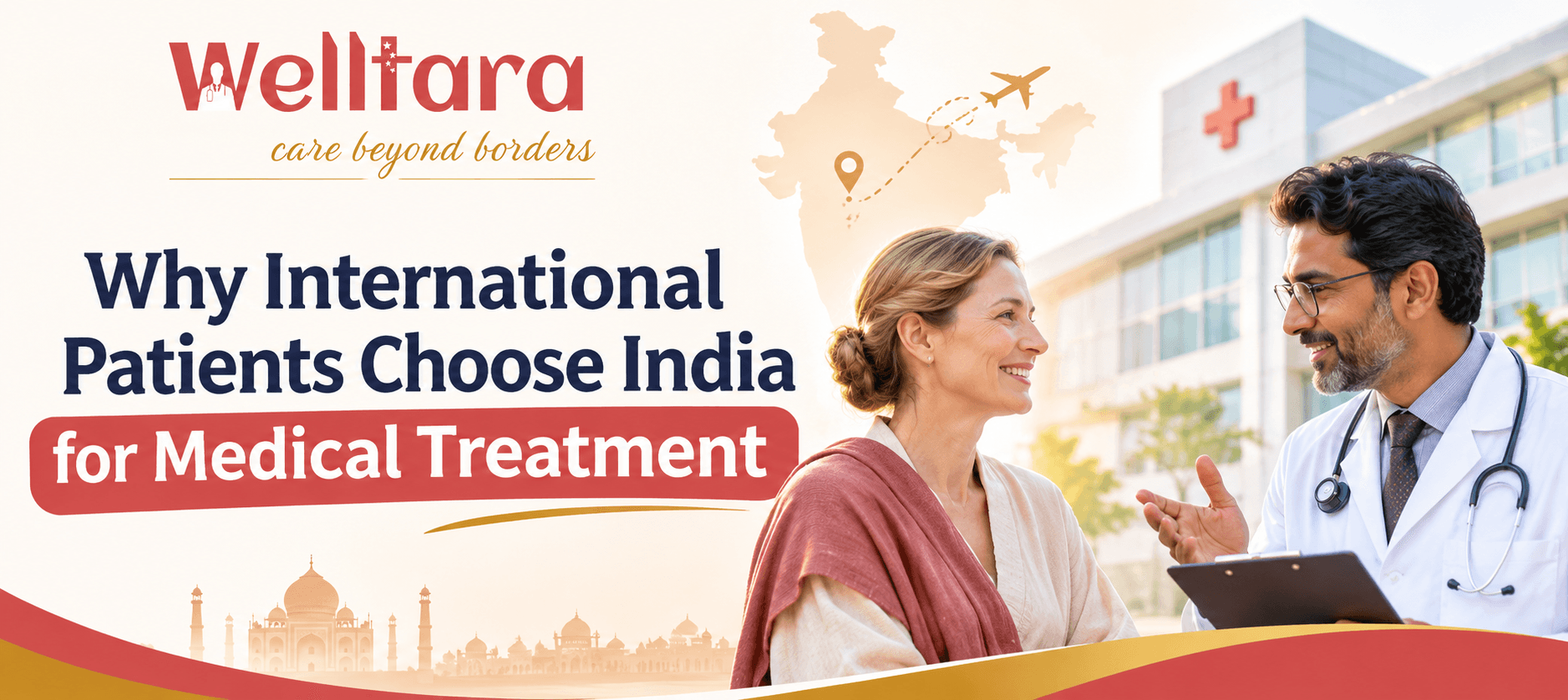
There are many reasons for international patients to consider specialised treatment services outside their home countries. Within the context of medical tourism, medical treatment in India attracts much attention because of a unique combination of advanced medical services, relatively low treatment costs and the availability of qualified medical professionals.
People from all over the world come to India to address health issues ranging from cancer and heart problems to orthopaedic conditions and organ transplantation. Different types of specialised medical services enable patients to choose the type of treatment that suits their diagnosis and needs.
It is also possible to discuss appointments and medical treatment in advance. This can help international patients become familiar with the treatment process before arriving in India. However, the suitability of any medical centre or procedure depends on the patient's health condition and the expertise of the treating team.
1. Affordable Medical Treatment Without Compromise in Quality
One of the key factors that makes international patients consider Indian medical tourism is the opportunity to receive treatment at a lower cost compared with some other countries. Depending on the type of procedure, hospital and medical needs of the patient, treatment in India could be more affordable than elsewhere.
The cost of medical treatment includes consultations, diagnostic examinations, hospitalisation, surgery, medication and aftercare services. In some countries, these costs can become substantial, especially when patients require complex procedures or lengthy treatment.
However, it is vital to understand that affordability alone should not determine the choice of healthcare provider. Patients should ask for a detailed estimate of costs and understand which services are included. Additional costs may arise from complications, an extended hospital stay, rehabilitation or follow-up appointments.
It is necessary to compare hospitals not only by cost but also by their medical expertise, services, safety measures and the experience of doctors and surgeons. Affordable medical treatment in India should involve finding a balance between cost, quality and the needs of the patient.
For international patients, reviewing the complete treatment plan before travelling can help with financial preparation and reduce uncertainty during the medical journey.
2. Access to Experienced Doctors and Specialised Medical Treatment
Another factor that contributes to the choice of medical treatment in India is the availability of experienced doctors. Healthcare providers in India offer specialised treatment in disciplines such as oncology, cardiology, neurology, orthopaedics and organ transplantation. This allows international patients to seek treatment for various medical conditions.
Some hospitals have multidisciplinary departments in which specialists from different fields work together to make decisions about complex diseases. For cancer treatment, for example, the team may include medical oncologists, surgical oncologists, radiation oncologists, radiologists and pathologists.
At the same time, the experience and professional expertise of doctors can vary depending on the institution. Patients should review a doctor's qualifications, specialisation, experience in treating their condition and the facilities available at the hospital.
Another important aspect for international patients is pre-consultation with specialists before travelling. This allows the treating team to review the patient's case based on medical documentation.
Choosing an appropriate healthcare provider involves more than considering a country's overall reputation. The expertise of the individual medical team and the suitability of its treatment approach remain essential factors in making an informed healthcare decision.
Patients can also explore doctors through Welltara to learn more about the available doctor-related services.
3. Reduced Waiting Times and Efficient Treatment Planning
Advance scheduling of consultations and medical treatment can be an important consideration for patients travelling from other countries to receive medical care in India.
Where possible, patients can send their medical reports and previous medical information before travelling. This allows the Indian medical team to review the available documentation and determine whether additional consultations or medical tests may be necessary.
Advance planning can also help patients understand how long they may need to stay in India, where they might stay and what practical arrangements they may need to make during treatment.
However, waiting times vary considerably between hospitals and medical procedures. Some treatments may take longer because additional medical examinations, consultations or multidisciplinary assessments are required.
Patients should therefore confirm appointment availability and the proposed treatment timeline directly with their healthcare provider. Efficient treatment planning should support appropriate medical care rather than replace the assessments needed to ensure patient safety.
4. A Wide Range of Treatments Available in India
Another factor that makes patients consider India for medical treatment is the variety of medical specialities offered by healthcare institutions. Depending on the hospital and the patient's needs, international patients may receive consultations, diagnostic services and specialised treatment.
The major areas of treatment include:
- Cancer treatment: Medical oncology, radiotherapy, surgical oncology and certain immunotherapy procedures.
- Cardiology: Diagnosis and treatment of heart diseases, certain cardiac surgeries and minimally invasive interventions.
- Orthopaedics: Joint replacements, spinal interventions and treatment of certain bone and joint conditions.
- Organ transplantation: Transplant procedures at licensed centres, depending on medical eligibility and applicable legislation.
- Fertility treatment: Assisted reproduction procedures and fertility assessments for eligible patients.
- Neurology and neurosurgery: Diagnosis and treatment of certain neurological disorders.
The availability of these services depends on the healthcare institution, the patient's condition and the complexity of the treatment. Not all hospitals provide every specialisation, and certain procedures require a thorough assessment of the patient's condition.
For international patients, reviewing the available specialities and the experience of the relevant medical team can help narrow down suitable healthcare providers. A thorough medical evaluation remains essential before deciding where to receive treatment.
5. Advanced Medical Technology and Available Treatments
Advanced medical technology has increased treatment options for various complex medical conditions. Some hospitals in India provide advanced diagnostic and treatment methods, including specialised surgery and other medical procedures. These technologies differ from one hospital to another.
For cancer treatment, available options may include radiation therapy, targeted therapy, immunotherapy and specialised surgery, depending on the patient's medical condition. In other fields, some hospitals offer robotic surgery, minimally invasive surgery, advanced cardiac interventions and advanced diagnostic services.
Such technologies can assist healthcare professionals in diagnosing medical problems or performing selected procedures. However, advanced technology does not guarantee the best outcome for every patient. The appropriate treatment depends on the medical condition, scientific evidence, the skills of healthcare professionals and the potential benefits and risks.
Therefore, people considering travelling to India for treatment should check whether the suggested technologies are appropriate for their case and understand how they differ from other treatment options.
By evaluating both the technology available and the expertise behind its use, international patients can make more informed decisions about their healthcare options in India.
6. International Patient Coordination and Medical Tourism Assistance
Receiving medical treatment abroad involves more than simply choosing a hospital. International patients may also need assistance with medical documents, appointments, accommodation and language-related arrangements. This makes international patient services an important aspect of medical tourism in India.
Many hospitals and medical tourism coordination companies offer assistance with reviewing medical history, arranging specialist consultations and explaining the next steps before arrival. Depending on the service provider, assistance may also include interpretation services, airport transfers and accommodation booking.
Having a treatment plan before travelling can help patients understand the time and budget required for their medical journey. Patients should also confirm which services are included and whether any additional coordination charges apply.
It is important to choose a trustworthy company when planning medical treatment in India. Medical decisions should be made by qualified healthcare professionals, while coordination services can help facilitate the overall process.
7. Medical Visa and Planning Your Treatment Journey to India
For foreign patients travelling to India for medical treatment, it is essential to understand the travel documents and arrangements required before arrival. Depending on their nationality and eligibility, patients may be able to apply for an appropriate medical visa and may need supporting documents from the hospital where they plan to receive treatment.
Patients should prepare relevant documents, including diagnostic test reports, prescriptions and information about previous treatments. They should also obtain confirmation of consultation schedules, treatment costs and the expected hospital stay.
Travel arrangements should account for recovery requirements, as some procedures may require patients to remain near the hospital during the recovery period.
Patients should consult the official Indian visa website or the relevant Indian mission in their country for the latest information about visa regulations and documentation requirements.
8. How to Choose an Appropriate Hospital for Medical Treatment in India
Choosing a healthcare facility is an important decision for patients considering medical tourism in India. Along with treatment costs and technological capabilities, patients should consider several other factors when selecting a medical facility.
Some important factors include:
- Hospital accreditation and credentials: Review the hospital's relevant certifications and credentials.
- Doctor qualifications: Check the qualifications, specialisation and experience of the treating doctor.
- Treatment costs: Request a detailed estimate covering treatment, hospital accommodation and possible additional expenses.
- Patient safety: Ask about potential complications, infection control measures and emergency services.
- Post-treatment care: Understand the follow-up plan and arrangements for continued care.
Patients may also wish to seek a second medical opinion about a recommended procedure. Comparing opinions from different specialists can help them understand the advantages and disadvantages of available treatment options.
Overall, the appropriate hospital is one that meets the patient's medical needs and offers evidence-based recommendations. Price or technological capabilities alone should not determine a healthcare decision.
9. Recovery, Follow-Up Care and Returning Home
Recovery is another critical component of the medical tourism experience and should be planned before travelling abroad for treatment. Depending on the complexity of the procedure, patients may need post-treatment observation, rehabilitation, medication and follow-up appointments.
Before discharge, patients should receive detailed recommendations concerning medication, wound care where necessary, activity restrictions and symptoms that require medical attention. It is also important to understand when it is safe to return home, particularly after a complex procedure such as major surgery.
Continuity of care is essential for international patients. Keeping discharge notes, test results, prescriptions and medical records will help a local doctor continue treatment after the patient returns home.
Some hospitals may offer remote follow-up consultations, although the availability and suitability of these services can vary. Patients should understand how to contact their treating specialists if concerns arise after discharge.
Planning follow-up care in advance can help patients manage the recovery process. The appropriate arrangements should be discussed individually with the treating doctor.
10. How Welltara Can Assist International Patients
International patients planning medical treatment in India may need guidance with understanding the treatment process, exploring healthcare options and preparing for their medical journey.
Welltara provides assistance with planning medical tourism in India. Patients can explore the available services and seek information about the process of arranging medical treatment.
Before travelling, patients should discuss their medical requirements with qualified healthcare professionals, review the proposed treatment plan and understand the costs and arrangements involved.
With appropriate planning and coordination, international patients can make more informed decisions about their medical journey to India.
Planning medical treatment in India? Contact Welltara to discuss your requirements and explore the next steps for your healthcare journey.
Conclusion: Is India a Good Option for Medical Tourism?
International patients visiting India have access to a wide range of medical specialities, qualified healthcare professionals and treatment options that may be more affordable than those available in some other countries. It is therefore reasonable for patients requiring specialised treatment abroad to consider medical tourism in India.
When selecting a destination, patients should consider hospital credentials, treatment costs, the expertise of the medical team and patient safety. Every patient has unique requirements, and the most appropriate course of treatment should be discussed with a qualified medical professional.
Welltara provides assistance with planning medical tourism in India. If you require assistance with planning your medical journey, visit Welltara.
Frequently Asked Questions
1. Why do international patients choose India for medical treatment?
International patients consider India because of its specialised healthcare services, qualified medical professionals and treatment options that may be more affordable than those available in some other countries.
2. Are medical treatments in India cheaper than in other countries?
Medical treatment in India may be more affordable, depending on the procedure, hospital and patient's requirements. Patients should compare the total estimated costs, including consultations, diagnostics, hospitalisation, medication and follow-up care.
3. What types of treatments are available for international patients in India?
International patients may explore treatments such as cancer care, cardiology, orthopaedics, fertility treatment, organ transplantation, neurology and neurosurgery. Availability depends on the hospital, the patient's condition and medical eligibility.
4. How can international patients select the right hospital in India?
Patients should review hospital credentials, doctor qualifications and experience, relevant accreditation, treatment estimates, safety measures and post-treatment facilities. Seeking a second medical opinion may also help when considering treatment options.
5. Is a medical visa required for foreign patients travelling to India?
Visa requirements depend on the patient's nationality, eligibility and circumstances. Patients should check the latest requirements through the official Indian visa website or the relevant Indian mission before making travel arrangements.
6. Can patients receive follow-up care after returning home?
Yes. Follow-up care may be arranged through the treating hospital, a local doctor or remote consultations where available and appropriate. Patients should obtain their medical records, test results, prescriptions and discharge instructions before departure.
Planning Your Medical Journey to India?
Explore Welltara's medical tourism assistance and get in touch to discuss your requirements.
Contact Welltara →your treatment journey?
Share your medical requirement and our care team will assist you with suitable doctors,
treatment options, and next steps.




দ্রুত লিংক
জনপ্রিয় চিকিৎসা
যোগাযোগ করুন
 +91 8080325326
- contact@welltara.in
- A-1920, EON Business Center, Sector 140A Noida, Gautam Buddha Nagar - 201305
Copyright ©2026 Welltara. সর্বস্বত্ব সংরক্ষিত।
